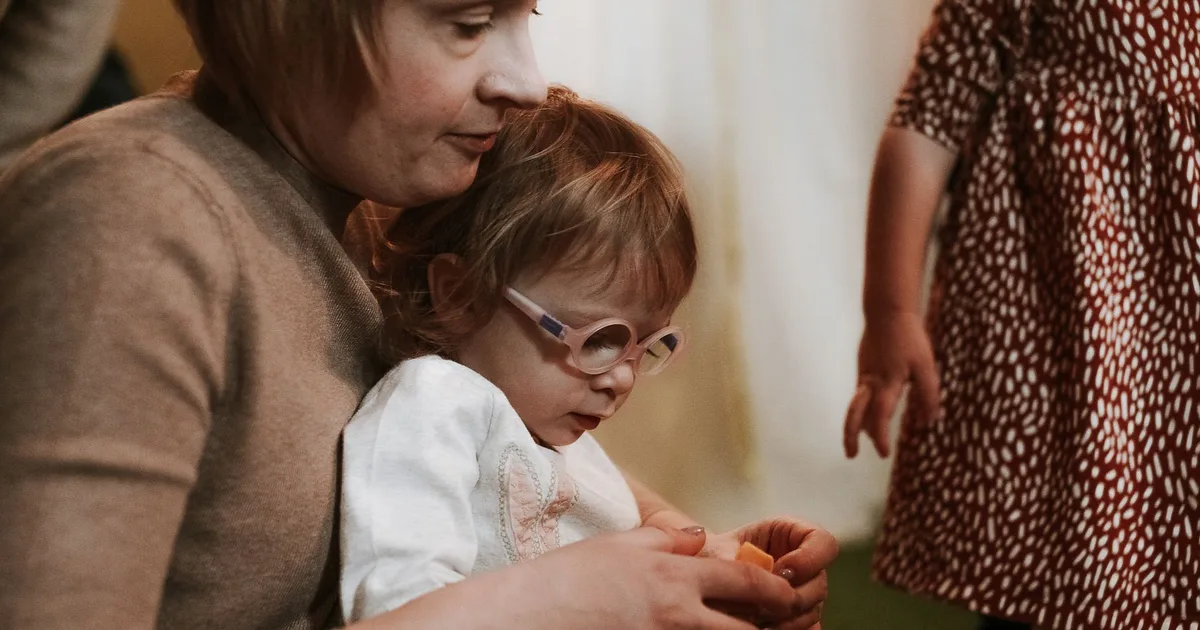
Every child is different, and children with special needs have unique strengths, abilities, and requirements. As a parent, navigating the Irish support system can feel complex — but you don’t have to do it alone.
Getting a diagnosis: If you have concerns about your child’s development, speak to your GP first. They can refer you to a HSE Early Intervention Team or a community paediatric team for assessment. Early diagnosis is key to accessing the right supports, including Domiciliary Care Allowance.
Understanding your child’s rights: Under Irish law, children with special educational needs are entitled to an education that meets their individual needs. The National Council for Special Education (NCSE) can assign a Special Educational Needs Organiser (SENO) to your family, who will help identify the right school placement and supports.
Building your support team may include a speech and language therapist, occupational therapist, psychologist, and special needs assistant (SNA) in school. Ask your SENO what your child is entitled to, and check whether your family qualifies for Carer’s Allowance and the Carer’s Support Grant.
Finding the right carer at home: Many families use specialist carers trained in supporting children with autism, Down syndrome, cerebral palsy, or other conditions. Trusted Carers allows you to search specifically for carers with relevant experience and qualifications, and our guide to finding the right carer shows you how to describe exactly what your child needs.
Self-care for parents is non-negotiable. Carer fatigue is extremely common among parents of children with special needs. Respite care options — short-term relief provided by a trained carer — are available through the HSE. Ask your public health nurse or social worker how to apply.
You are your child’s best advocate. Keep records of every assessment, meeting, and report. Join local and national parent support groups — connecting with others who understand your experience makes an enormous difference.
Frequently asked questions
Q: What is the first step if I think my child has additional needs?
A: Start by talking to your GP about any developmental concerns you have. Your GP can refer your child to HSE Early Intervention Teams or community paediatric services for assessment. Getting a diagnosis early is important because it opens the door to the right supports and therapies sooner.
Q: What financial support is available for a child with a disability in Ireland?
A: Families of a child with a severe disability may qualify for Domiciliary Care Allowance (DCA), a monthly payment for children under 16 who need ongoing care and attention substantially beyond what a child of the same age usually needs. Parents providing full-time care may also be able to claim Carer's Allowance and the annual Carer's Support Grant. Your public health nurse or social worker can help you apply.
Q: What is a SENO and how can they help my child?
A: A Special Educational Needs Organiser (SENO) is assigned to your family by the National Council for Special Education (NCSE). They help identify suitable school placements and the supports your child is entitled to, such as access to a special needs assistant. Your SENO is a useful first point of contact when planning your child's education.
Q: How can I get a break as a parent carer?
A: Carer fatigue is very common, and looking after yourself matters as much as caring for your child. Respite care through the HSE can provide temporary relief using trained carers so you can rest. Speak to your public health nurse or social worker about applying, and consider connecting with parent support groups for practical and emotional backup.
Q: How do I find a carer experienced with special needs?
A: Look for carers who have specific experience with your child's needs, whether that is autism, Down syndrome, cerebral palsy or another condition. Platforms like Trusted Carers let you search for carers by experience and read profiles before you make contact. Always check references and take time to see how your child responds before committing.
When you are ready to look for the right person, you can find special needs carers in Ireland on TrustedCarers and search by experience.
Source: citizensinformation.ie