
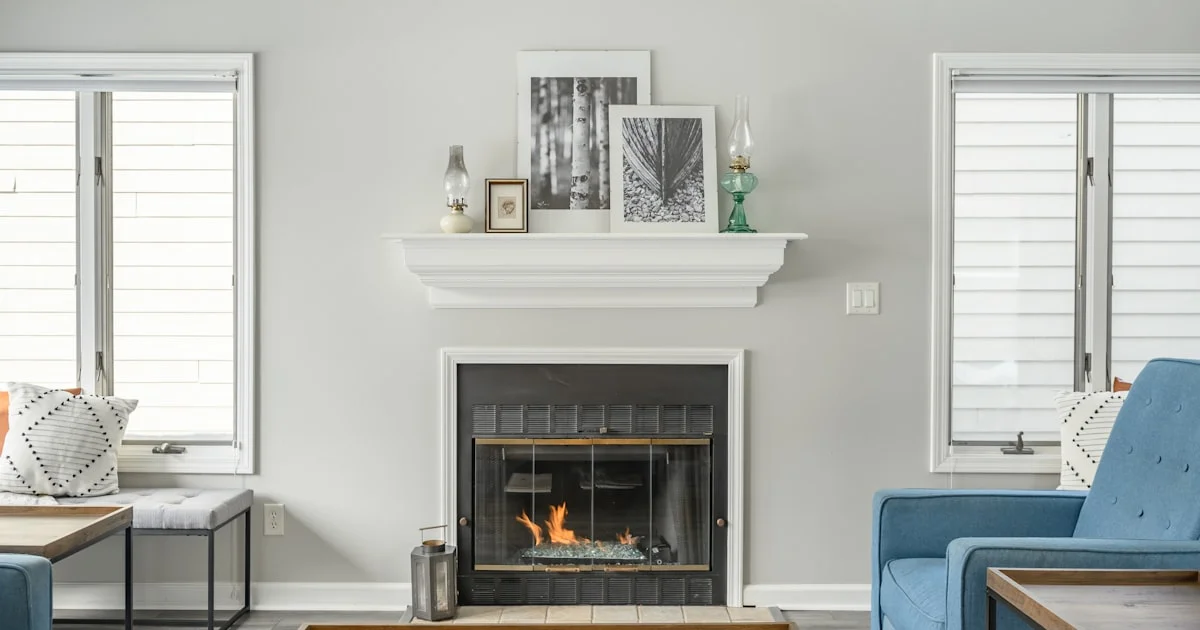
If you’re thinking about becoming a carer in Ireland, one early practical question is whether your own home qualifies for childminding. Childminder own home requirements aren’t as strict as many people assume. They cover real, checkable things: space, safety, hygiene, and a few rules about planning permission.
Key Takeaways
- Childminder own home requirements cover safety, space, hygiene, and outdoor play access, not a fixed room count.
- Most childminders using existing rooms, minding up to 6 children, don’t need planning permission.
- There’s no legal requirement to notify neighbours, though it’s worth doing as a courtesy.
- The exact ratio rule (how many children you can mind) lives on its own dedicated page, so this one won’t repeat it.
Childminder own home requirements: what a Tusla premises assessment actually looks at
Childminder own home requirements, in practice, mean a Tusla inspector checking your home for safety, space, hygiene, and outdoor play access. It’s not a checklist of room counts. According to Tusla’s Early Years Inspectorate, the assessment looks at the home as a whole.
A childminder inspection in Ireland typically checks:
- Space for children to play both inside and outside
- An outdoor area that’s secure and free of hazards
- A home that’s clean, hygienic, bright, and well ventilated
- Kitchen facilities with suitable washing-up, hand-washing, and food storage arrangements
These are the practical childminder home requirements Ireland’s Early Years Inspectorate actually assesses. It’s not an arbitrary checklist of room counts.
Safety and security matter just as much as physical space. The premises must be safe and secure. A system needs to be in place to stop unauthorised access and to prevent a child leaving unsupervised. None of this requires an extension or a dedicated playroom.
If you’re preparing for a childminder inspection in Ireland for the first time, walk through your home the way an inspector would. Check door and gate security. Look at your outdoor space for hazards like unsecured sheds or open water. Confirm your kitchen setup is genuinely usable for food prep, not just technically present.
Do you need planning permission to childmind in your home?
For most childminders, no. Among the childminder own home requirements people worry about most, planning permission turns out to be the least restrictive. You don’t need it if you’re using existing rooms and caring for no more than 6 children. This falls under current planning exemptions for early years services, per Citizens Information’s guidance on childcare regulation.
Permission only becomes necessary in two cases: changing the use of part of your home, such as converting a garage, or minding 7 or more children of any age, including your own. Most home-based childminders never trigger either condition, since the exemption ratio already caps most services well below that number.
This is one of the more reassuring childminder own home requirements. Your existing living room, kitchen, and garden are usually enough. No construction or formal change-of-use application needed.
How many children you can mind, and why this page doesn’t re-answer that
Childminder own home requirements around ratios come from a separate exemption rule. Minding 3 or fewer preschool children, and 6 or fewer children in total, keeps you exempt from mandatory Tusla registration during the current transition period.
That rule, including whether your own children count toward it, is already covered on our dedicated page: how many children can a childminder have. This page focuses on what your home itself needs to look like instead.
A childminder inspection in Ireland doesn’t happen in isolation from your registration application. It usually follows the same timeline as the rest of the process, once you’ve applied and completed Garda vetting. Getting your home ready before you apply can shorten the overall wait.
Childminder own home requirements for fire safety and everyday setup
Fire safety is a genuine, checkable part of childminder own home requirements, separate from the ratio and registration rules. A home-based service needs working smoke detection and basic fire equipment appropriate to the space.
Unlike the space and hygiene checks, fire safety requirements don’t scale much with the number of children you mind. A one-child arrangement and a full six-child household both need the same basics: a working smoke alarm, and a sensible plan for getting everyone out quickly.
Smoke alarms and fire equipment
At minimum, expect to need a working smoke alarm. You’ll also want a way to respond to a small fire quickly, such as a fire blanket in the kitchen. This isn’t different from ordinary household fire safety practice. It’s just applied consistently, and checked as part of registration.
Outdoor play access
Access to secure, hazard-free outdoor space is one of the specific items a Tusla inspector looks for. A garden or yard that a child can use safely, without traffic risk or structural hazards, satisfies this. You don’t need a purpose-built play area.
What to consider about neighbours, honestly
Here’s a genuine gap in most childminder own home requirements checklists: there’s no Tusla rule, and no legal requirement, to notify your neighbours that you’re childminding. Multiple searches for a formal neighbour-notification requirement turned up nothing. That absence is worth stating plainly, rather than implying a rule exists where it doesn’t.
That said, practical courtesy is worth the five minutes it takes. A childminding service means extra cars at drop-off and collection times. It also means children playing in a garden during the day. A quick, friendly heads-up to immediate neighbours about your hours can prevent a complaint before it happens.
Treat this as good business practice, not a compliance step. Conflating the two would misrepresent what childminder own home requirements actually demand.
It’s worth being upfront about why this distinction matters. Assuming neighbour notification is legally required might delay starting your service over a step that was never necessary. Assuming it’s irrelevant might miss an easy way to prevent friction later. Knowing the actual, honest answer serves you better than either assumption.
Once your home meets the childminder own home requirements covered above, the next step is understanding how Tusla registration actually works, including the timeline and inspection process. Still deciding whether registration applies to you at all? Our page on whether childminders have to be registered covers that directly.
None of this needs to happen all at once. Many childminders prepare their home gradually, fixing one item at a time, before formally applying to Tusla.
Ready to start finding families once you’re set up? Find a care job on TrustedCarers and put your home-based service in front of parents actively searching.
FAQ
Q: Do I need planning permission to childmind in my own home?
A: Not if you’re using existing rooms and minding up to 6 children. This falls under standard planning exemptions. Permission is only needed if you change the use of part of your home, such as converting a garage.
Q: What does a Tusla inspector actually check in my home?
A: The core childminder own home requirements are safety, available space, hygiene, working fire detection equipment, and access to outdoor play. It’s the home as a whole, not just room count.
Q: How many children can I mind in my own home?
A: The exemption threshold and full ratio rule are covered in detail on our dedicated page, including whether your own children count. See how many children can a childminder have.
Q: Do I legally have to tell my neighbours I’m childminding?
A: No. There’s no Tusla or legal requirement to notify neighbours. It’s worth a friendly heads-up about parking and drop-off times as good practice, not a compliance step.



Leave a Reply